Calgarians could face nearly 45% cumulative property tax increase over 4 years
Posted Nov 10, 2026 9:51 am.
Last Updated Nov 10, 2026 10:16 am.
Calgarians could see nearly a 45 per cent cumulative increase in property tax collection over the next four years.
The city’s proposed 2027-2030 budget, released Tuesday, would see property tax revenue increase by 15 per cent in 2027, 10 per cent in 2028, 7.7 per cent in 2029, and six per cent in 2030.
“Year-over-year increase of 15 per cent exceeds anything else that I have ever seen in my 20 years,” said Coun. Andre Chabot.
For a typical single residential property, the hike is estimated to cost an extra $37 a month in 2027, $28 more a month in 2028, $24 extra a month in 2029 and $21 more a month in 2030.
Mayor Jeromy Farkas acknowledges that the municipal increase is large, but he points to the overall property tax bill, which also includes the provincial education property tax. With the province introducing a new standardized rate and freezing it for three years, Farkas says Calgarians will see savings in 2027 compared to 2026.
“In other words, it’s about 6.9 per cent currently being proposed on the overall bill this upcoming year. Last year it was 8.1 per cent, and I’d like to see us drive it down even further,” he said.
Calgary’s proposed multi-year budget would spend about $20 billion on capital projects. The city says that’s approximately twice the recent spend. The budget calls the spending a “generational investment” that would help fund water, transit and infrastructure projects, renew aging assets and address growth.
“Calgarians have said they want reliable, sustainable infrastructure, they want safer communities, safer streets, they want dependable transit, they want improved parks and public spaces and public facilities. This is what this budget delivers,” said David Duckworth, the city’s chief administrative officer.
Police budget
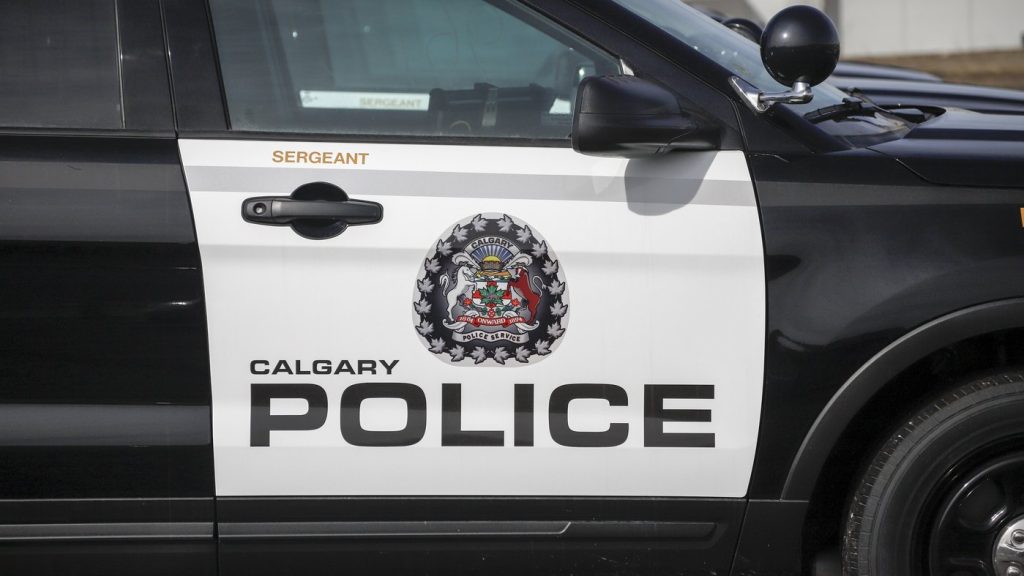
The proposed budget includes increased operating and capital funding for the Calgary Police Service. CPS revealed ahead of Tuesday’s budget release that it is seeking about $192 million in capital funding in the 2027-2030 budget for fleet, facilities, technology and equipment. That request represents a 73 per cent increase from its 2023-2026 capital budget of about $111 million.
The city’s proposed 2027-2030 multi-year budget allocates $214 million for the police service’s capital budget, but that figure already includes previously approved amounts. Within the $214 million, the proposed budget grants CPS’s request, giving the force an additional $192 million in capital funding.
Some on council have already expressed concern over the size of the police’s capital budget increase. Farkas told reporters Monday the increase is “unprecedented.”
“I don’t think any budget, even if it is the police budget, can have a 73 per cent increase attached to it,” he said.
The city’s proposed multi-year plan includes a $2.8-billion net operating budget for CPS.
Other areas of spending
Other areas receiving significant funding include $1.7 billion to upgrade the Pine Creek and Fish Creek wastewater treatment plants, $420 million for rehabilitation work on Calgary roads, $300 million for the purchase of new buses, $284 million for new recreational facilities through the city’s long-term recreation strategy, GamePLAN, and $102 million for new fire and emergency response stations.
Waste, water and recycling charges going up
Waste, water and recycling rates are also rising, which is expected to cost the typical single residential property an extra $16 a month in 2027. That figure would increase each year, reaching an additional $30 a month in 2030.
Behind those costs is an average annual increase of 6.4 per cent in the residential cart program, with fees rising from $20.51 a month in 2026 to $26.31 in 2030.
The proposed 2027-2030 budget includes a 19.9 per cent rate increase for drinking water, a 15.2 per cent increase for wastewater and a 5.8 per cent increase for stormwater.
That means a typical residential metered customer would see their monthly bill rise from $119.21 in 2026 to $206.94 in 2030, a 74 per cent increase.
Budget deliberations
Calgarians can tell city council what they think about the proposed budget. Starting Tuesday, residents can submit their written submissions or register to speak before council during the public hearing, which begins Nov. 23.
After hearing from Calgarians, council can make changes to the budget before finalizing it.
“We as a council will now need to sharpen our pencils and start getting that number down,” said Coun. DJ Kelly.