Knowing the dangers of thin ice heading into winter
Posted Dec 21, 2021 11:00 am.
Calgarians tackle the frigid temperatures through outdoor activities such as skating, playing pond hockey, snowmobiling and going for scenic walks.
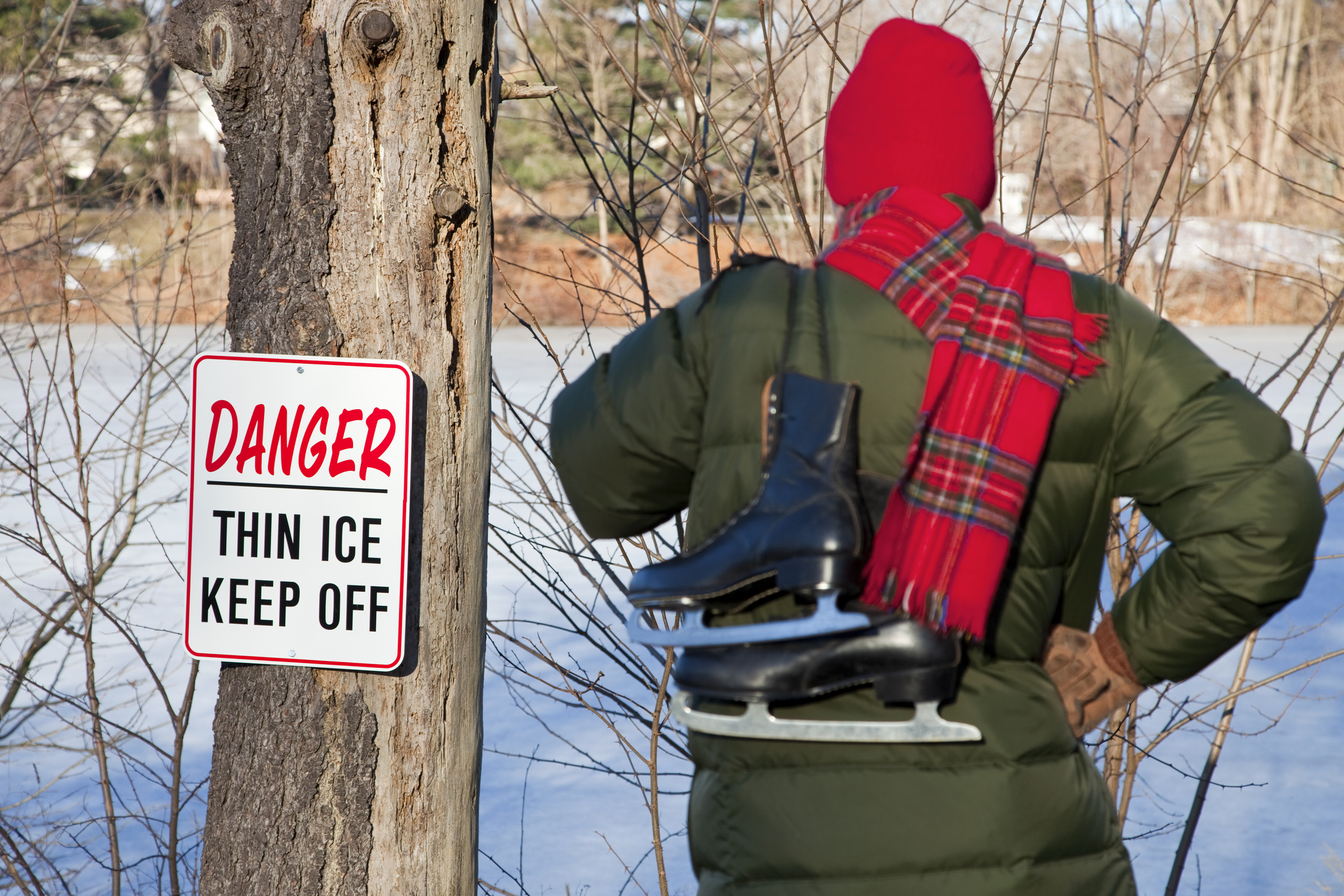
But these activities can be dangerous if you’re not prepared as hypothermia can set in very quickly.
“Here in Calgary, we know the weather, we have these wonderful reprieves called chinooks where in the middle of winter it can go up to plus 15 sometimes, so you have this thaw and freeze cycle that can make the ice very dangerous to walk on,” said Carol Henke with the Calgary Fire Department.
Henke adds Calgary has designated spots to skate on and emphasizes how important it is to only do your winter activities in these areas. Not included in the list are the very popular storm ponds.
READ MORE:
-
Preventing frozen pipes from damaging your home this winter
-
Siksika Nation opens new outdoor rink alongside Calgary Flames alumni
-
NHL teams, players notified of enhanced COVID-19 protocols
“A lot of people might be surprised to know that you are not actually allowed to go on storm ponds year-round,” Henke explained. “Some people think it’s ok and then clear off some snow and are skating or walking on the ice and then other people think it’s then ok to do so because someone’s already set that example and it’s not.”
According to the Canadian Red Cross, ice should be at least 15cm thick for a person to walk or skate on, 20cm for a group of people and 25cm for snowmobiling.
Before you hop on the ice, look at the colour. Strong ice is usually blue or black.
If you want to find out where you can safely skate this winter, head to the city’s website for a list of skating rinks.
Ice safety tips can also be found here.