Is Tony the Tiger done? Canadian group wants to restrict junk food marketing to kids

Posted Jun 13, 2023 8:14 am.
Chances are you know Frosted Lucky Charms are “magically delicious” and that “Trix are for kids.”
Parents have been pestered by generations of kids desperate to gobble down bowls of sugary cereal as “part of a complete breakfast” and now a new Canadian study shows just how effective spokes-characters like Trix the Rabbit, Lucky the Leprechaun and Count Chocula really are, with researchers pushing the federal government to restrict their use in marketing to children.
In what’s being called the first Canadian study of its kind, University of Ottawa researchers examined whether cartoon characters used in food marketing influenced kids’ food preferences, and teased out whether the type of character made a difference.
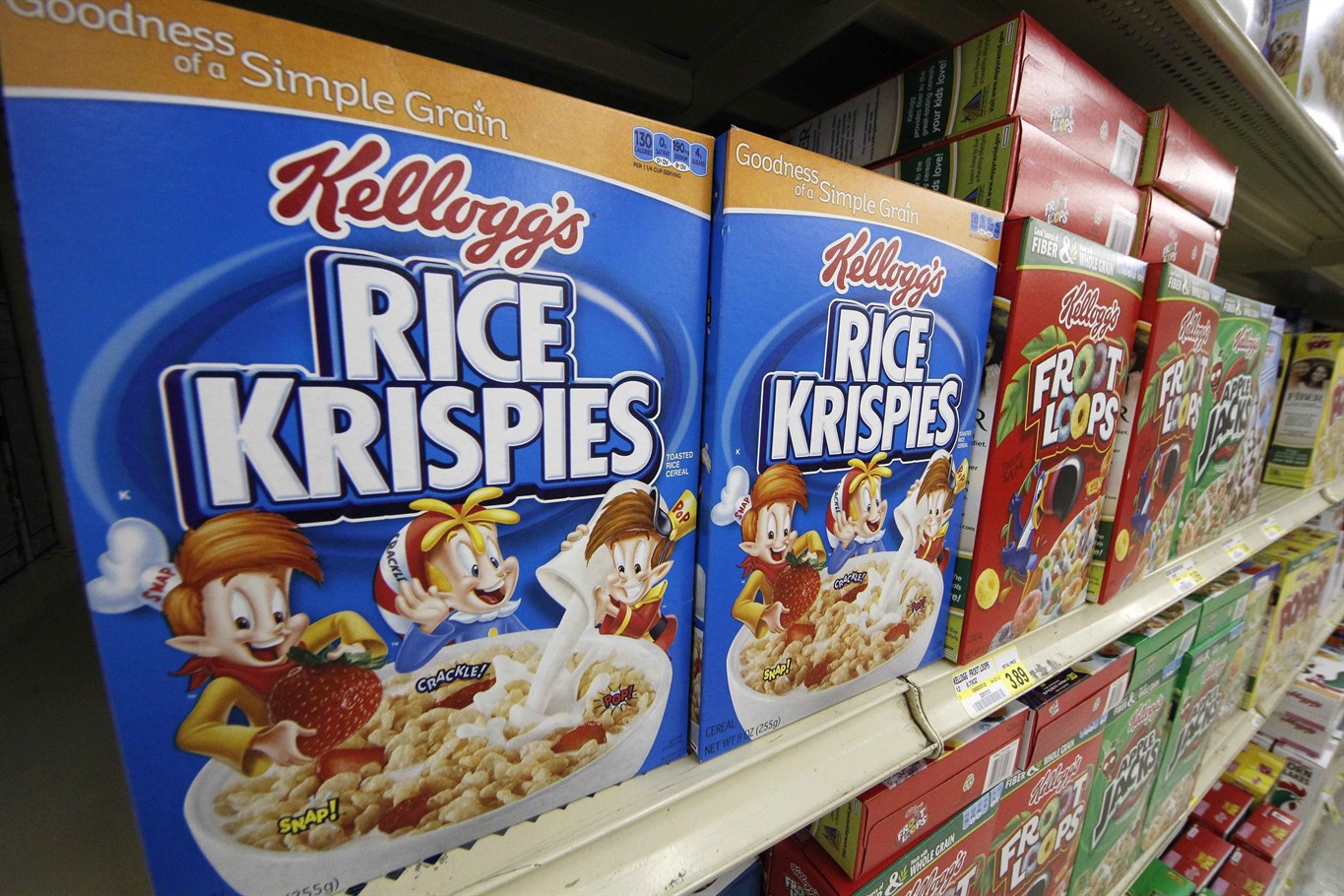
FILE – In a Wednesday, July 18, 2012, file photo, Kellogg’s cereals are on display at a Pittsburgh grocery market.
“We know that children are particularly vulnerable to the cute cartoon animals and superheroes that advertisers use to entice kids to pester their parents to buy food products,” says Dr. Monique Potvin Kent, associate professor at the University of Ottawa and lead author of the study. “This study demonstrates the impact this marketing technique has on kids, and it’s not good news.”
The Heart and Stroke Foundation of Canada, which funded the research, calls loveable characters like Toucan Sam and Tony the Tiger “supervillains” that entice kids to choose unhealthy foods.
During the study, researchers showed food ads to 1,341 Canadian kids, aged nine to 12, and measured their intentions to eat, buy, or pester their parents for it.
They analyzed the impact on kids of two types of cartoon characters used to promote food products: licensed cartoon characters from popular media, such as Spongebob Squarepants and Disney princesses, and spokes characters developed by food and beverage companies, such as Lucky the Leprechaun from Lucky Charms.
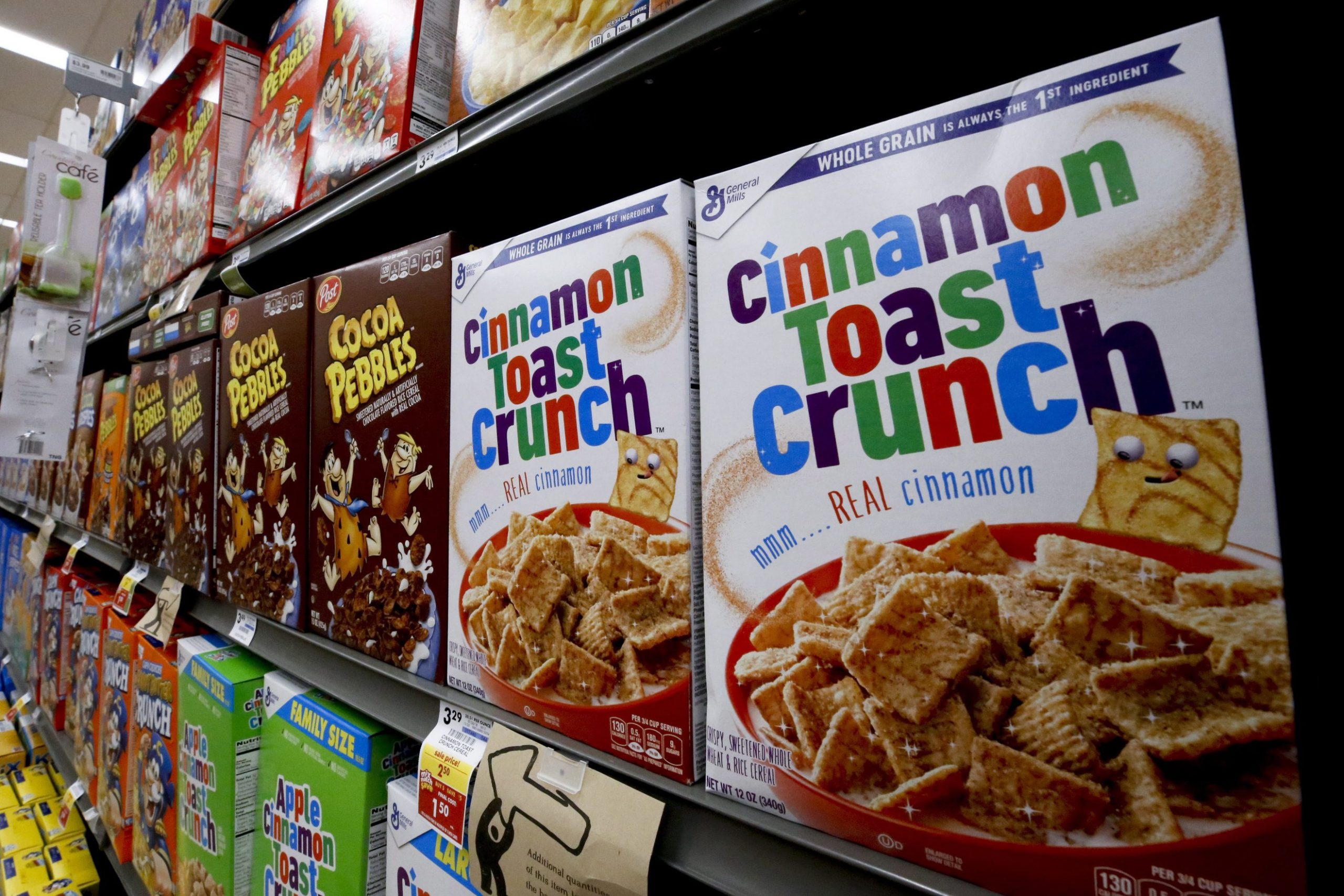
While spokes-characters had the greatest influence, researchers say the most striking finding was the sway all characters had over kids, leading them to recommend the government restrict all characters in food advertising to children.
“There’s a direct link between the cartoons in food marketing directed at kids and the lure of unhealthy foods that can cause long-term health issues. This needs to stop to protect the health of Canadian children,” Potvin Kent said.
Health Canada announced on April 25 public consultations as part of the development of regulations meant to protect kids from unhealthy food and beverage marketing, which are expected by winter 2024.
“We are happy to see Health Canada is moving forward and it is important that strong and comprehensive regulations be put in place as quickly as possible. Our kids are worth it,” says Doug Roth, CEO of Heart & Stroke.