UCalgary archeologists dig up new finds on Alberta cowboy John Ware
Posted Aug 18, 2025 11:35 am.
Last Updated Aug 18, 2025 7:36 pm.
University of Calgary archeologists say they’ve dug up new clues on how the legendary Alberta rancher and cowboy John Ware lived.
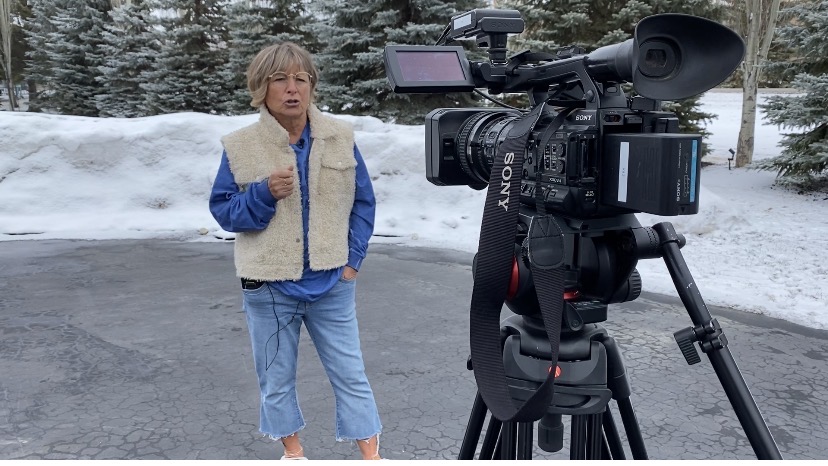
Dr. Lindsay Amundsen-Meyer, assistant professor of anthropology and archaeology, says the new discoveries were made on the initial days of the four-week-long excavation at the site where he lived from June 23 to July 16 of 2025.
The team found intact structural remains of the Ware home, including floorboards and the cellar. Amundsen-Meyer says the home may have been built differently than other houses of the era due to the cellar being lined with wood.

A notable item found is a sewing thimble engraved with “REMEMBER” belonging to Ware’s wife, Mildred.
Amundsen-Meyer says this is notable because “archaeology often ignores women and children.”
“Finding items that are clearly associated with Mildred will allow us to talk more about her and how she adapted to life out on the prairies after coming from a fairly well-to-do family in Toronto,” she said in a news release.
Other items found include decorative glass, square nails pre-1900, an ink bottle from Lovatt and Lovatt Knotts Langley Mill made between 1895-1905, and ceramic dinnerware.

According to Amundsen-Meyer, the items found suggest a level of affluence never before attributed to the Ware family.
Meanwhile, UCalgary say the items will be stored at the Royal Alberta Museum in Edmonton, and that a conservator is helping the excavation team preserve the remains for when the team returns in 2026, which is when they will open the ground around the remains to expose and see how it was built.
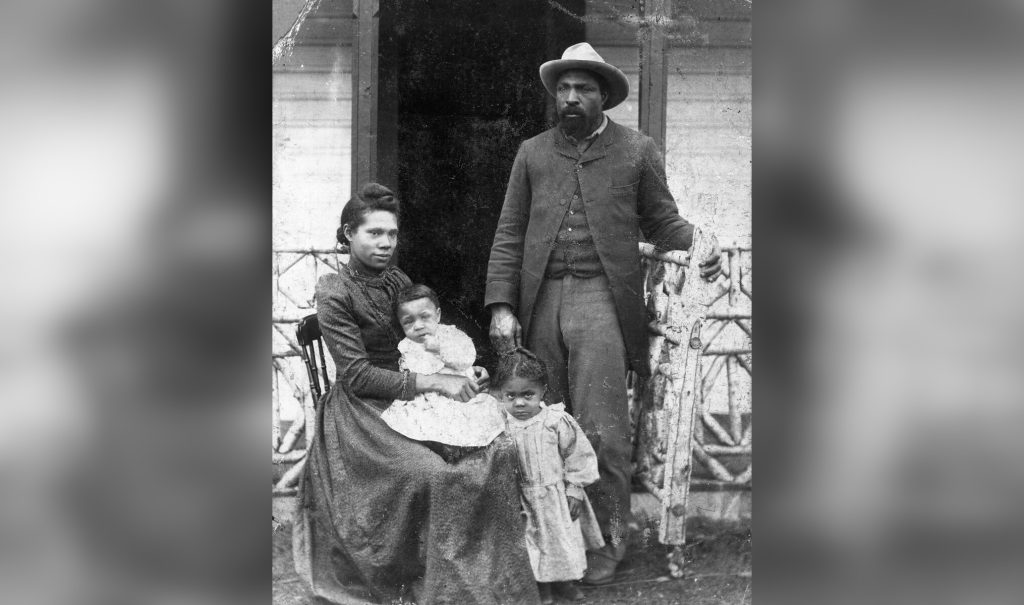
A cowboy who influenced the early years of the ranching industry in southern Alberta, Ware was one of the first Black ranchers to arrive in Alberta from the U.S. in 1882.
UCalgary says Ware was born sometime between 1845 and 1850 in the southern United States. He became famous as a rancher in Alberta after arriving from Texas. He died in 1905.
Ware was recognized as a person of national historic significance by the federal government in 2022 and was commemorated with a plaque at the Bar U Ranch National Historic Site south of Calgary.
He also has a building at the Southern Alberta Institute of Technology that bears his name, and a Calgary junior high school named after him.
Amundsen-Meyer says there isn’t much archaeology done on Black heritage sites in Western Canada, but is excited to return to the site for two more years of excavation and research.
“This work is unique and new, and continued archaeological excavation at the Ware homestead can help counter narratives that there was no historical Black presence on the prairies,” she said.