Calgary business community disappointed with 2026 budget

Posted Dec 5, 2025 9:52 am.
Mayor Jeromy Farkas is calling Calgary’s newly approved budget “the most business-friendly” the city has passed in the last 10 years, but many in the city’s business community aren’t convinced.
The optimism from the mayor comes after council voted to reduce the proposed property tax increase for 2026 from 3.6 per cent down to 1.64 per cent. That reduction was achieved in part by pausing a planned one per cent tax shift from non-residential to residential properties.
While homeowners welcomed the move, business leaders say it leaves them shouldering a disproportionate share of the tax burden. In 2025, Calgary’s tax ratio sat at 4.64:1 — meaning a non-residential property of equal value to a residential one paid 4.64 times more in taxes.
Vince Schaeffer, owner of Four Dogs Brewing Company, expressed frustration with the decision.
“Very disappointed,” he said. “Small business always gets thrown to the bottom with a lot of different things. Sales and revenues are down. Costs for goods — steel has gone up, tin for cans has gone up, all raw goods have gone up.”
Deborah Yedlin, President and CEO of the Calgary Chamber of Commerce, echoed the concern.
“I am going to respectfully suggest to the mayor that we may be looking at different metrics,” she said, noting that businesses could have used the savings from the tax shift to invest in wages, technology, or debt repayment.
According to Yedlin, the cancelled shift meant businesses missed out on roughly $2,150 in potential relief.
Although council scrapped the one per cent shift for 2026, they did approve a gradual rebalancing beginning in 2027, a 0.25 per cent annual shift from non-residential to residential properties will be phased in over eight years.
But critics argue the pace is too slow to make Calgary competitive with other municipalities.
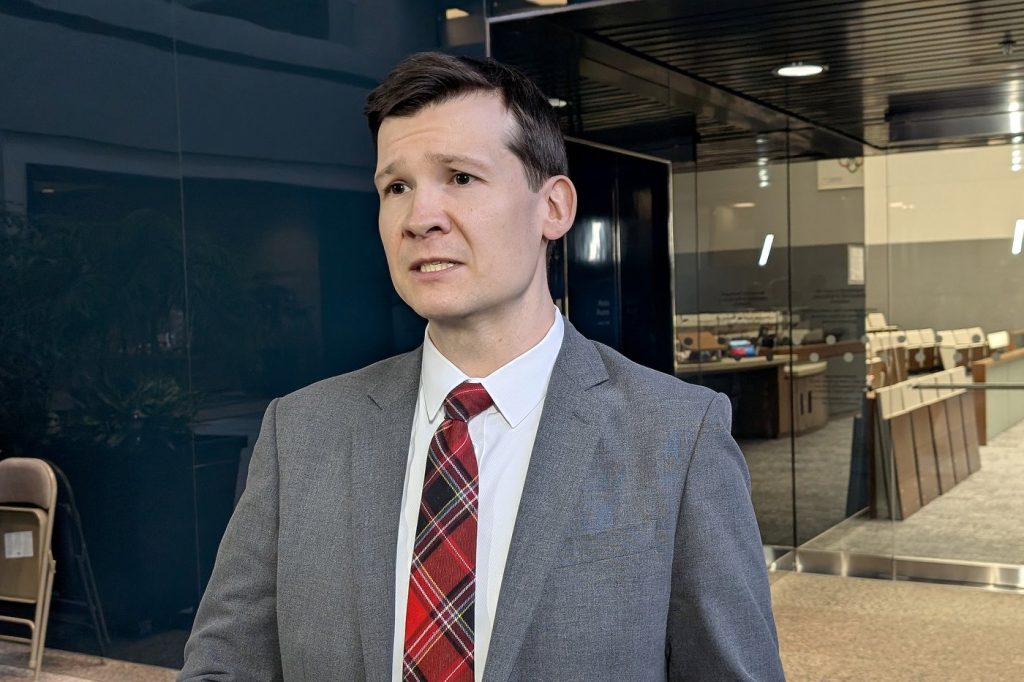
Kayode Southwood, Senior Policy Analyst with the Canadian Federation of Independent Business, warned that small businesses are watching closely.
“They are looking at what the tax landscapes are in different municipalities,” he said.
For Schaeffer, the hope is that Calgary can be seen as a place to grow, not just to tax.
“I just hope they look at Calgary as a thriving business opportunity rather than a cash grab.”