Calgary officials say water main repairs not a guaranteed fix
Posted Jan 10, 2026 3:00 pm.
Last Updated Jan 11, 2026 12:57 pm.
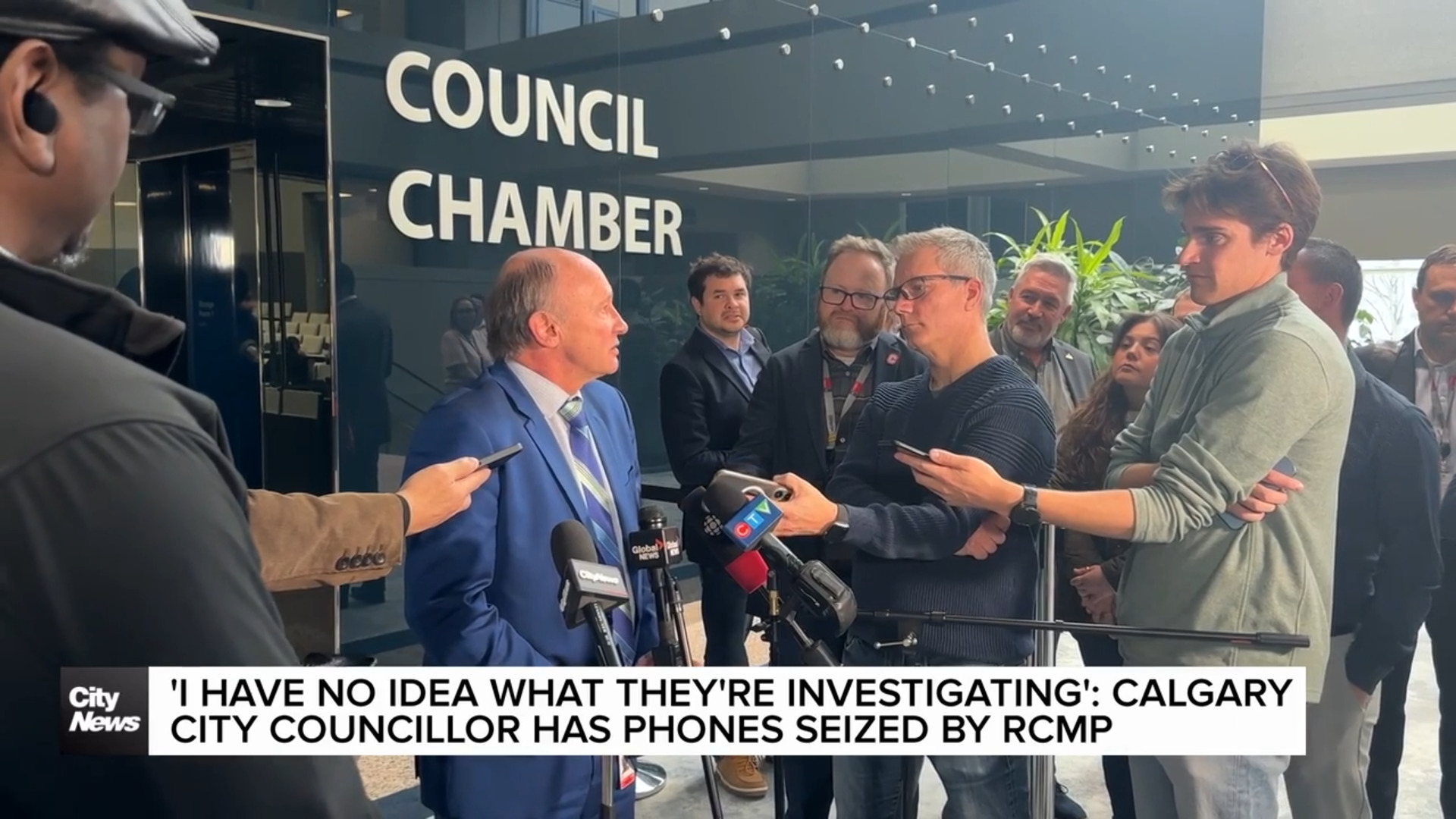
While City of Calgary officials say water restrictions may begin to ease early next week, Mayor Jeromy Farkas says repairs to the Bearspaw South Feeder Main are not a guaranteed fix.
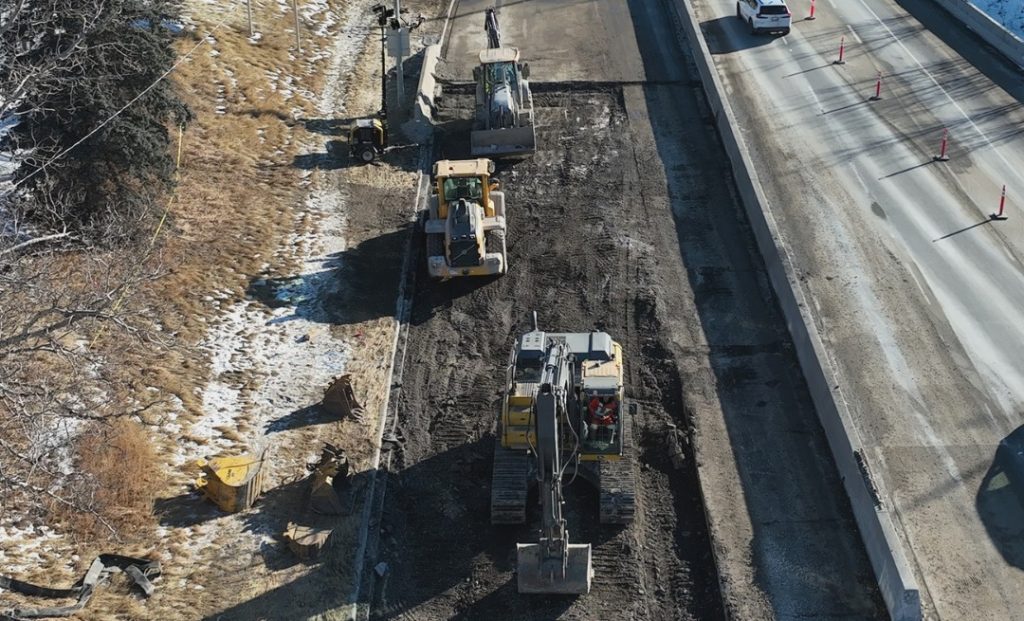
The update Saturday comes after a new pipe was installed following a major rupture on Dec. 30. While the city says crews have begun slowly filling the pipe with water and are in the process of restoring service, it will still be days before it returns to service. The first phase is at around 75 per cent completion.
“This pipe is sick,” Farkas said.
“It could continue to break and we could continue to face those immediate repairs, and we’re going to continue to have to rally as a community to support our work.”
Farkas says this is a short-term repair, adding Calgarians may face more”proactive” water conservation measures over the next 12-24 months if the pipe goes back offline for more repairs.
“There is no guarantee that next week, next month, or next year that this pipe will not continue to break,” he said.
He says Calgarians aren’t out of the woods yet, and alludes to recommendations in a newly released report on the 2024 Bearspaw South Feeder Main break. It highlighted governance and organizational issues within the city and revealed that council had been aware of concerns with the pipe as far back as 2004.
Calgarians used 493 million litres of water on Saturday, bringing water use down to the strained zone, though still above the city’s sustainable threshold of 485 million litres.
Farkas says the steps being asked, which include only flushing when necessary, keeping showers to three minutes, and only running dishwashers and washing machines with full loads, are necessary since the city is in a “race against time” as the water in the Glenmore Reservoir is growing down.
“We have a very limited amount of contingency and this is very much a battery that charges up in the spring and fall months where the amount that we have in that reservoir going into the winter has to last us through the whole winter,” Farkas said.
“So, we’re going to continue to be able to get the word out to be able to support Calgarians, support businesses, or work with our largest industrial users.”
He says the small changes to routine when added up by half a million households plus throughout the Calgary region will help alleviate this issue.
With this being the “riskiest, most critical moment of the repair,” Farkas says the changes will help frontline services and emergency services when they need the water.
Calgary Emergency Management Agency (CEMA) Chief Sue Henry says the city is working on alerting people to reducing water use, such as with physical and online advertising, social media, and other apps related to CEMA.
Two non-intrusive, non-broadcast emergency alerts have been issued through the Alberta Emergency Alert app, which she recommends downloading to receive updates. However, because it’s not a critical emergency, the Alberta Emergency Alert — heard on cellphones and TV — hasn’t been used.
She says it remains an option if there is an immediate life-saving threat.
Remaining steps before service is back online
General manager Michael Thompson, meanwhile, says the task now is to return the pipe to service as “quickly as possible.”
It starts with the continuation of refilling the feeder main pipe, testing the water to make sure it’s safe to drink, then turning back on the pumps at the Bearspaw Water Treatment Plant, which is expected to increase pressure as continuous flow of water gushes through the pipe.
The refilling will take a few days because 22 million litres of water — roughly equating to nine Olympic swimming pools — is needed for this seven kilometre section.
“I want to be clear that each of these steps carries risk,” Thompson said.
“The schedule can be impacted as we pause to make sure everything is proceeding as per plan or more severely, if we see another break in the pipe. As I’ve said before, we cannot guarantee that we will not have another break in the pipe.”
Stage 4 restrictions will remain in place until that happens, according to city officials.
Work is already underway to protect nearby communities from potential flooding should another rupture occur, including removing two sections of the flood protection barrier in Montgomery Boulevard NW, because if another break happens, it would keep water in the community.
Barriers along the Bow River pathway near Parkdale Boulevard and 33 and 30 Street NW are being installed to also keep water away from the community should another break happen.
Additionally, city crews are clearing catch basins, opening river outflows, and replacing several manhole covers with ones that can drain water faster in case of a break. Thompson also says they are preparing to quickly deploy temporary pumps to remove water from low-lying areas if necessary.
Lastly westbound traffic along 16 Avenue NW between 49 Street and Sarcee Trail NW remains closed, with speed reductions remaining in place throughout the construction area.
However, the city says road repaving is ongoing, and 16 Avenue is expected to reopen by mid to late next week if it goes well.