Prominent Alberta separatist blasts verification process despite petition’s success
Posted Jul 30, 2026 9:24 am.
Last Updated Jul 30, 2026 9:27 am.
One of Alberta’s prominent separatist leaders is decrying the way Elections Alberta verifies signatures for citizen-led petitions.
Last week, the independence petition calling for a binding referendum to leave Canada was verified and deemed successful by Elections Alberta.
About 222,000 signatures were verified, despite about 279,000 valid signatures counted.
Elections Alberta needed to call 384 people for a valid sample size to verify the petition but ultimately contacted 952.
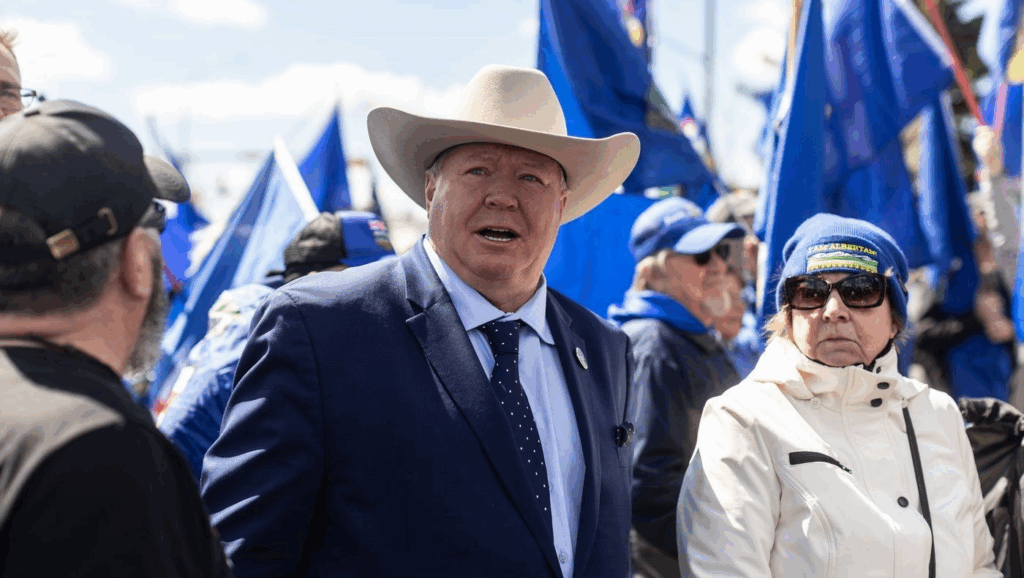
“This whole arbitrary, ‘Do you remember the day and time that you signed the petition?’ and then if they say no, then their signatures along with 700 other Albertans’ signatures are thrown out? This is corrupt,” said Jeffrey Rath, a lawyer for Stay Free Alberta.
“The whole process has been despicable.”
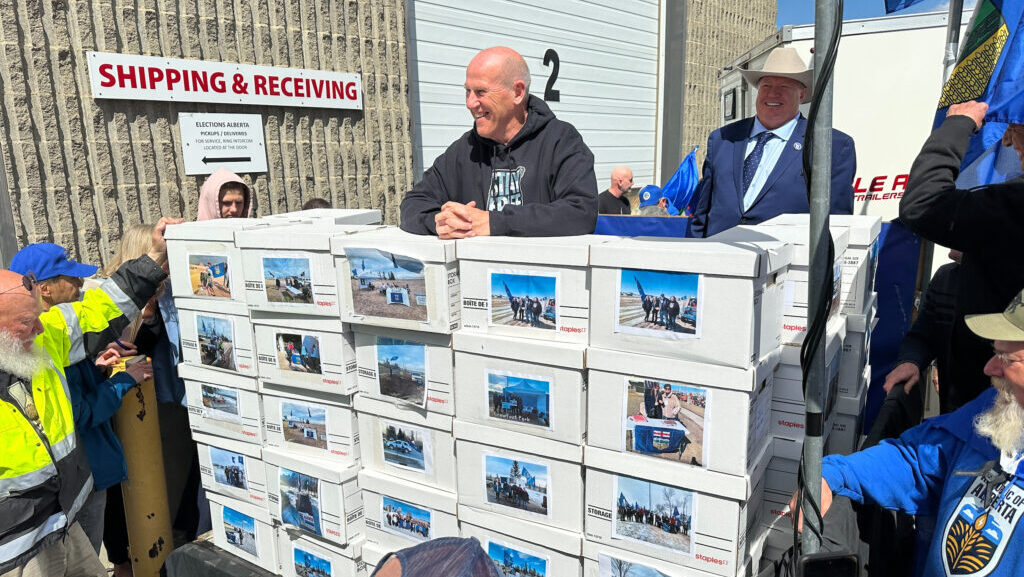
This method was used on other petitions including the rejected Water Not Coal petition by Corb Lund, Thomas Lukaszuk’s Forever Canadian petition.
According to data from Elections Alberta, 20.3 per cent of independence petition signatures were thrown out. It was 12.2 per cent for the coal petition, and 7.8 per cent for Forever Canadian.
But this petition worked under a different version of petition laws. The independence petition was quashed by a judge in May, but an appeal and injunction ruled signatures could be counted earlier this month.
The non-partisan office says the main reasons signatures were rejected during validation were because of incomplete addresses and declarations, and voters giving a mailing address instead of the required physical address.
Rath and other separatist leaders are calling for a full review of the citizen initiative process.
“There wasn’t a problem with our process, the problem is with Elections Alberta having its thumb on the scale,” Rath said.
The petition’s court appeal is in the early stages. Alberta is still facing a referendum Oct. 19, partly on whether to remain a province in Canada or begin the separation process.