50 people evacuate Calgary NW condo complex due to carbon monoxide: fire department
Posted Mar 22, 2023 9:38 am.
Last Updated Mar 22, 2023 4:50 pm.
The Calgary Fire Department (CFD) says most of the 50 people forced from a condo complex in the northwest due to carbon monoxide Wednesday have been able to return home.
Crews say a woman on the third floor called 911 after her carbon monoxide alarm went off at around 7:45 a.m. at Citadel Meadows Point.
“She did all the right things,” Carole Henke with the fire department said.
According to the CFD, there were over 500 parts per million of carbon monoxide in the complex, which can be life-threatening after a couple of hours. Carbon monoxide causes headaches, fatigue, and nausea at around 200 ppm after two to three hours.
Firefighters moved the residents to a Calgary Transit bus until it was safe for them to return home.
In an update Wednesday afternoon, Henke said the cause was construction that was happening in the building.
“One of the fresh air intakes was inadvertently blocked, which created that buildup of carbon monoxide,” she said.
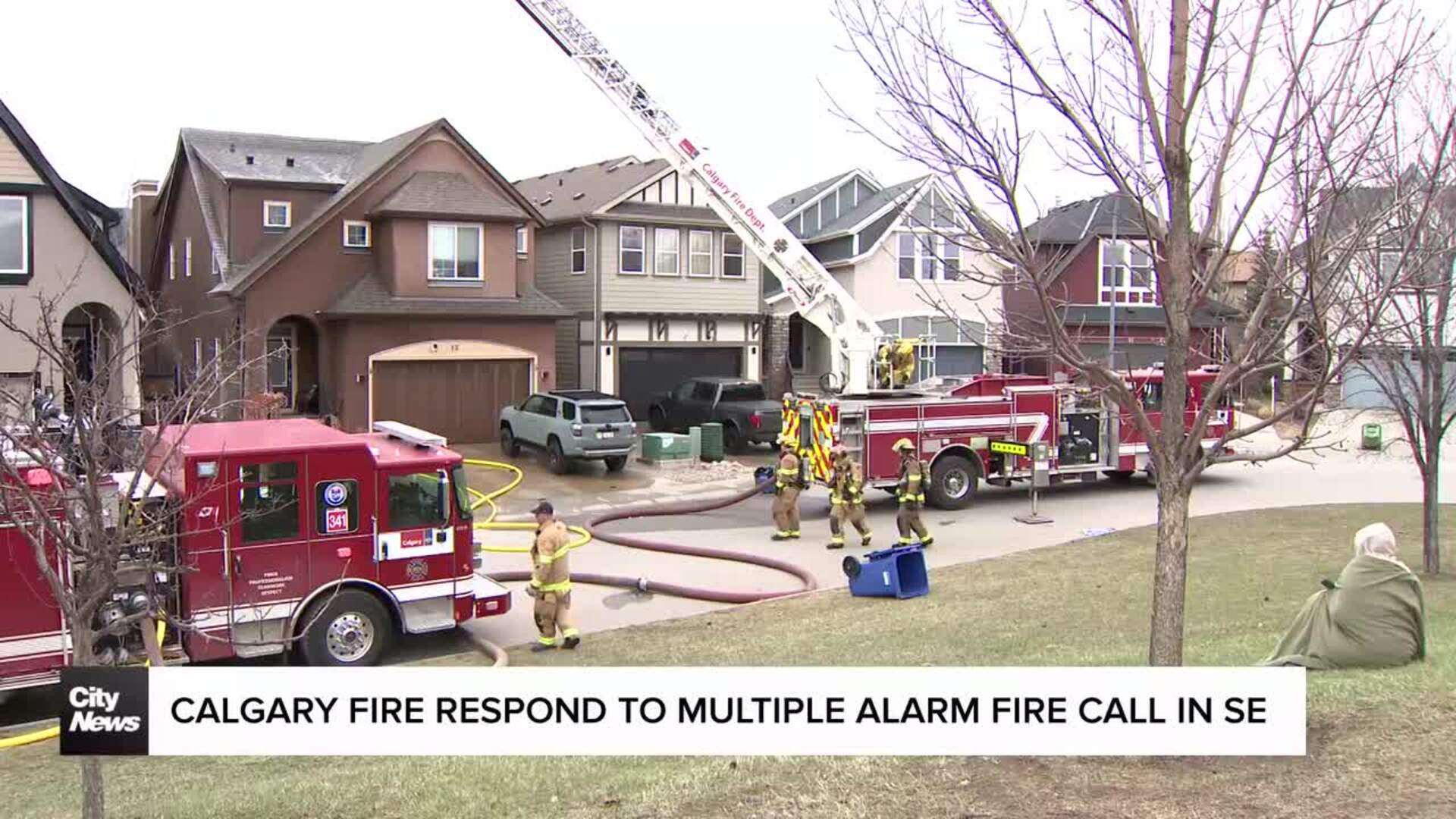
Fire crews remained on scene for some time to check all condo units.
Related Stories:
-
12 escape home filled with carbon monoxide: Calgary fire
-
Calgary Police: 2 dead from suspected carbon monoxide leak
Henke is warning people about the dangers of carbon monoxide, saying it is very important to have a working alarm because of how fatal it can be.
“Carbon monoxide is colourless, odourless, tasteless, non-irritating. So you don’t know it’s there,” Henke said, noting the building had an alarm system.
“It does not have a smell. Sometimes there can be other odours. If there’s a natural gas leak or something like that, then there are other odours.”
Henke adds every floor of an apartment building or home should have one alarm “at a minimum.”
“But if you just have one, have it close to your sleeping area so that you can hear it activate in the middle of the night,” she said.
“Maintenance of all of your gas-burning appliances, making sure that your fresh air intakes aren’t plugged — that can happen with cold weather.”
People are also reminded to not keep their vehicles running in the garage or other closed space.
The CFD says it receives “several thousand” calls a year related to carbon monoxide, with 10 per cent of those actual carbon monoxide in the environment.
“What that means is the other 90 per cent could be faulty alarms that aren’t being maintained or the battery’s dying, and people just aren’t as familiar as maybe they should be with the functioning of their carbon monoxide alarm,” Henke said.
“So read those manufacturer’s instructions.”
ATCO is investigating the situation. No injuries have been reported.
-With files from Chris Bowen and Tiffany Goodwein