Minimum wage debate: Alberta remains lowest with B.C. set to increase
Posted Mar 27, 2026 4:54 pm.
Last Updated Mar 27, 2026 6:59 pm.
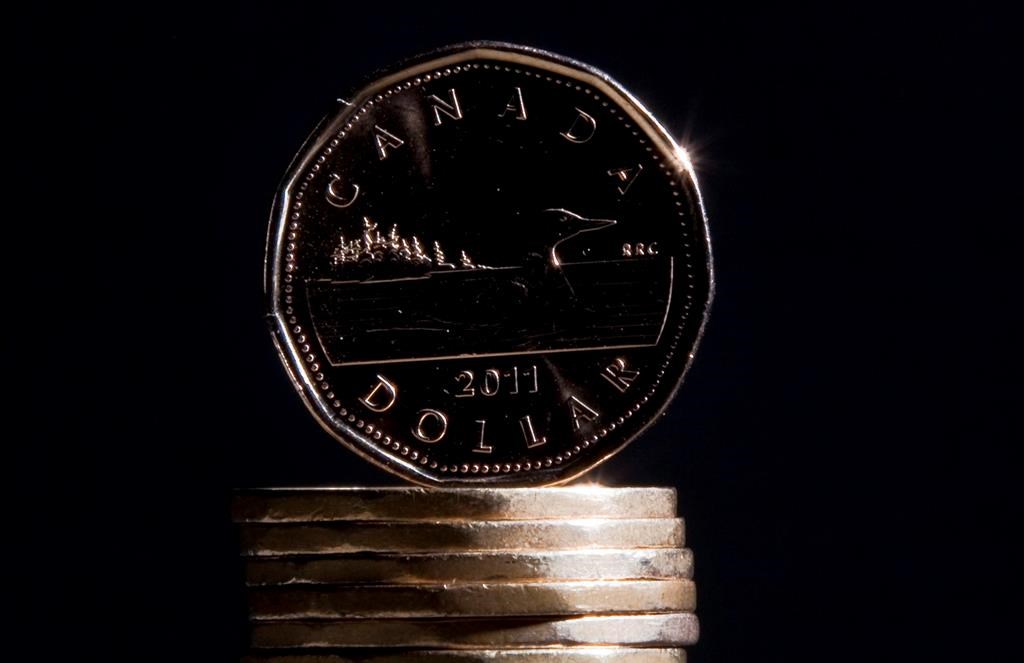
With British Columbia set to increase its minimum wage to $18.25 in June, Alberta’s rate remains frozen at $15, leaving many young workers juggling multiple jobs just to get by.
The province now has the lowest minimum wage in the country, and for workers like 21‑year‑old Presley Pearson in Edmonton, the gap is becoming impossible to ignore.
Pearson works three minimum‑wage jobs in the restaurant industry while attending university, yet says even basic expenses are difficult to cover.
“I still have barely enough money to pay for my gas, my phone bill, the necessities that I need to live,” she said. “Maybe not $18 if that’s too much, but even going up to $17 an hour, $2 makes a big difference over an eight‑hour shift.”
Pearson says a small increase would allow her to quit one of her jobs and reclaim some balance in her life.
“If the minimum wage increases a couple dollars, I’d feel more comfortable being able to work two jobs and still be able to afford all the things I need,” she said.
Advocates say her situation is becoming increasingly common across the province. Dani Du Bois with Vibrant Communities Calgary says wages simply aren’t keeping pace with the rising cost of living.
“Right now, Calgary’s living wage for 2025 was $26.50 an hour, that’s 77 per cent higher than Alberta’s minimum wage,” Du Bois said. “We know that earning a living wage can be the difference between getting by and truly living.
“A lot of people working just don’t have the means, they’re having to choose and make trade‑offs.”
The United Conservative Party (UCP) government has repeatedly defended its decision not to raise the minimum wage.
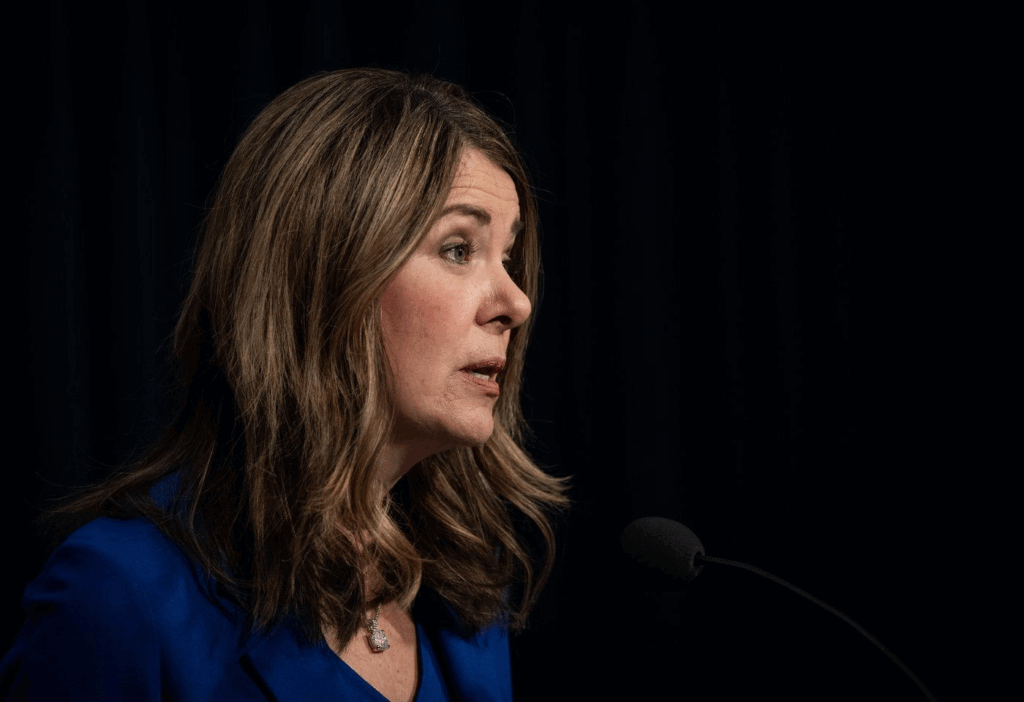
Premier Danielle Smith has argued that Alberta offers offsetting benefits, including no provincial sales tax and lower overall taxes. The government also points to youth unemployment, saying a higher minimum wage could make it harder for young people to find work.
Labour Minister Joseph Schow echoed that position in a recent statement, noting that “the majority of minimum wage earners are 24 years old or younger, meaning most are in their first job or early stages of entering the workforce.”
He added that when the NDP raised the minimum wage between 2015 and 2018, “this resulted in more than 21,000 young people losing their jobs.”
Last fall, the UCP voted down Bill 201, a proposal from Calgary‑Mountain View MLA Kathleen Ganley that would have raised the minimum wage by $1 annually over three years.
When Alberta last adjusted its minimum wage in 2018, it was the highest in Canada.