Alberta private-pay medical testing might create new barriers for newcomers, researchers warn
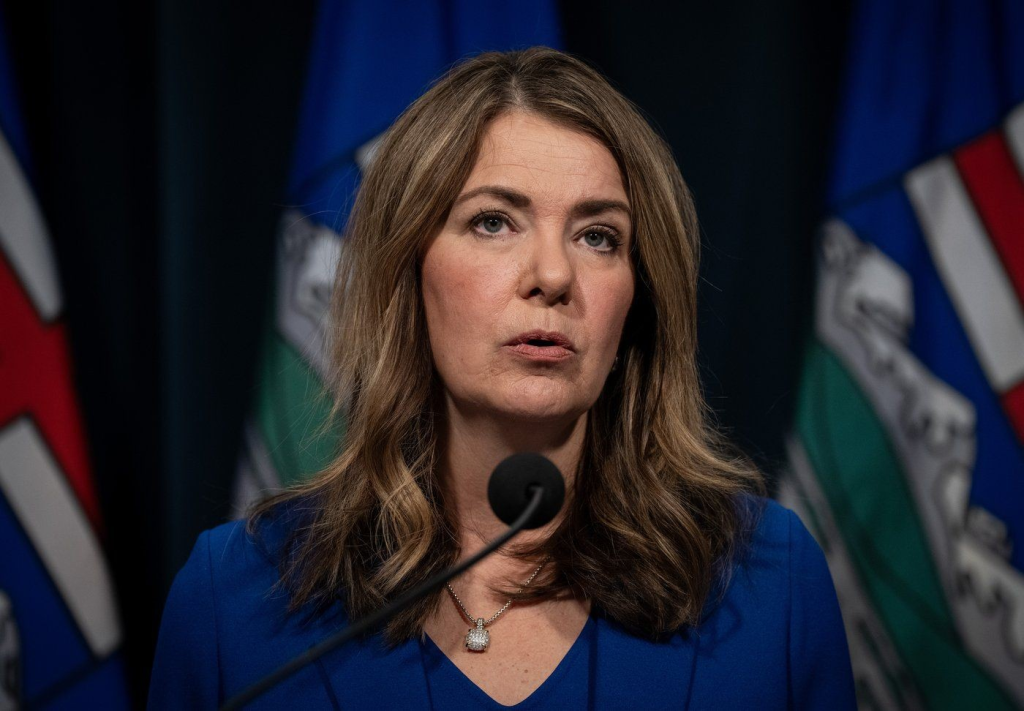
Posted Jul 30, 2026 1:57 pm.
Last Updated Jul 30, 2026 2:05 pm.
Starting Friday, Albertans will be able to pay out-of-pocket for preventative diagnostic tests like MRIs, CT scans, and ultrasounds without a doctor’s referral.
Alberta Premier Danielle Smith said the move is about giving patients “peace of mind,” but for some, it’s creating confusion.
Dr. Fiona Clement told OMNI News that she struggles to understand how this would fit into a patient journey.
“And I think patients will struggle a little bit too to understand,” she said. “Is this a good option for me? Why would I do that? Either I don’t want to talk to my doctor, I don’t have a doctor, or my doctor doesn’t think this is a good idea. I think it’s going to be hard to navigate.”
Stephanie Montesanti, Canada Research Chair in Health System Integration at the University of Alberta, said that that while self-referrals could give some Albertans more autonomy, those who need more help navigating the health care system, such as immigrants and refugees, might not have the same access.
“For those individuals in particular, having that consultation, advice, medical guidance from a primary care provider is of utmost importance,” she told OMNI News.
Allowing patients to self-refer and pay privately for preventative health care follows legislation passed by the provincial government in the spring in an effort to reduce wait times and “put the power in the hands of the patient,” Premier Smith explained.
“I think it’s offering more choice, and that’s the rhetoric or discourse behind this decision by the government,” Montesanti said. “But it is creating barriers … income being one of the biggest.”
Prices for preventative tests could range from a couple hundred dollars for an X-ray to $800-1,200 for an MRI.
“It’s an amount of money that you would really want to think about,” Clement added.
The province says patients who want to pay out-of-pocket could get some of that money back, if the test results lead to a new cancer diagnosis.
But Andrew Longhurst, a senior researcher at the Canadian Centre for Policy Alternatives, told OMNI News that those unfamiliar with the health care system, including newcomers, might end up in precarious positions, caught between having to pay significant money to access the health care they need, or risk not getting any medical attention.
“Unfortunately, people will take advantage of them,” he said. “There’s an inherent power imbalance between health care providers demanding that newcomers pay out-of-pocket, and those individuals and families who have very little to begin with.”
Beginning in September, Alberta is also set to give doctors the option of billing patients privately for some medically necessary, publicly insured services.
And in October, the province will hold a referendum on whether the province should charge a fee or limit access to social services, including health care, for temporary residents.