Alberta premier: ‘Disappointing’ to see 35 per cent tariffs on Canadian goods
Posted Aug 1, 2025 11:52 am.
Last Updated Aug 1, 2025 6:43 pm.
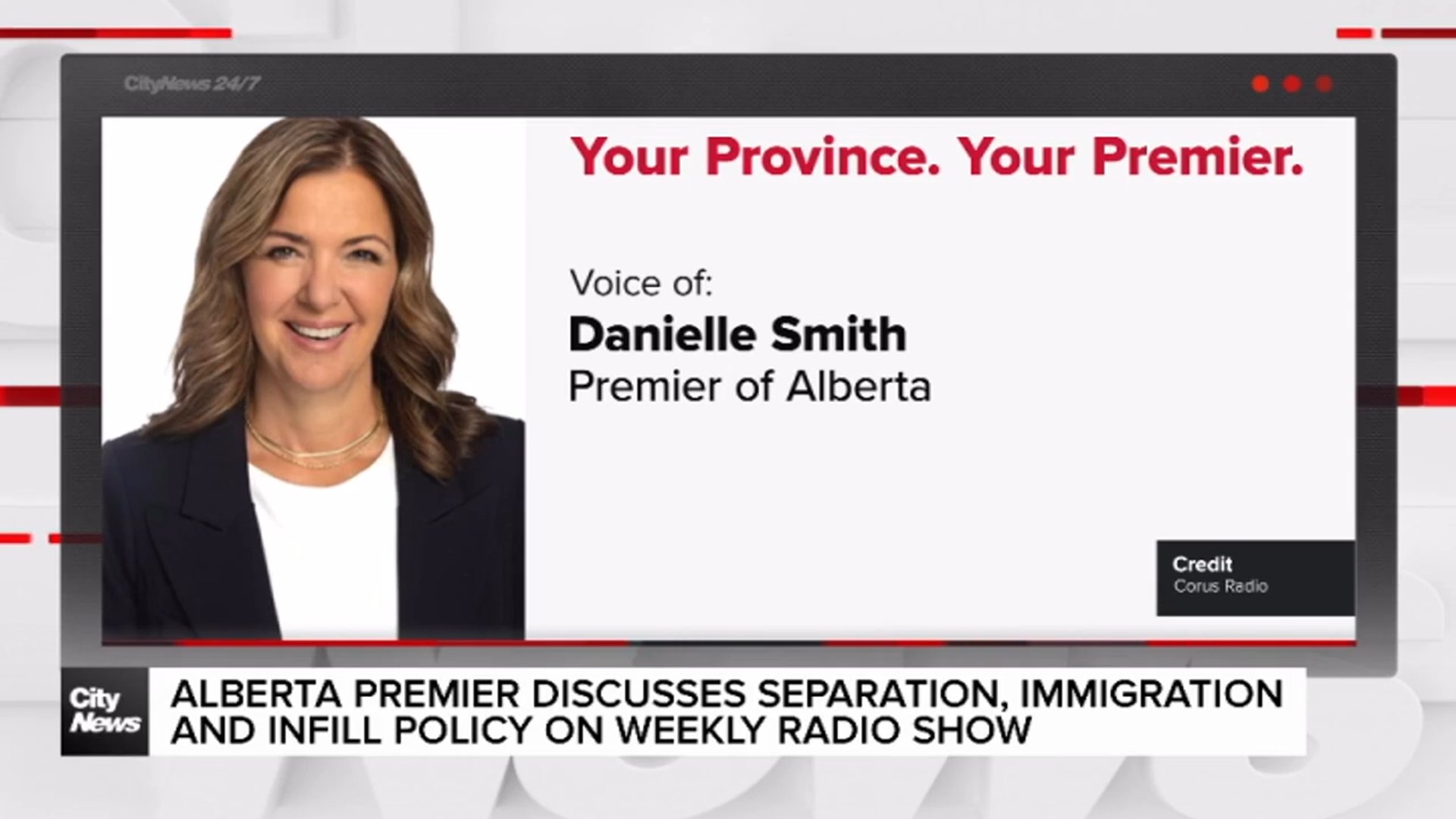
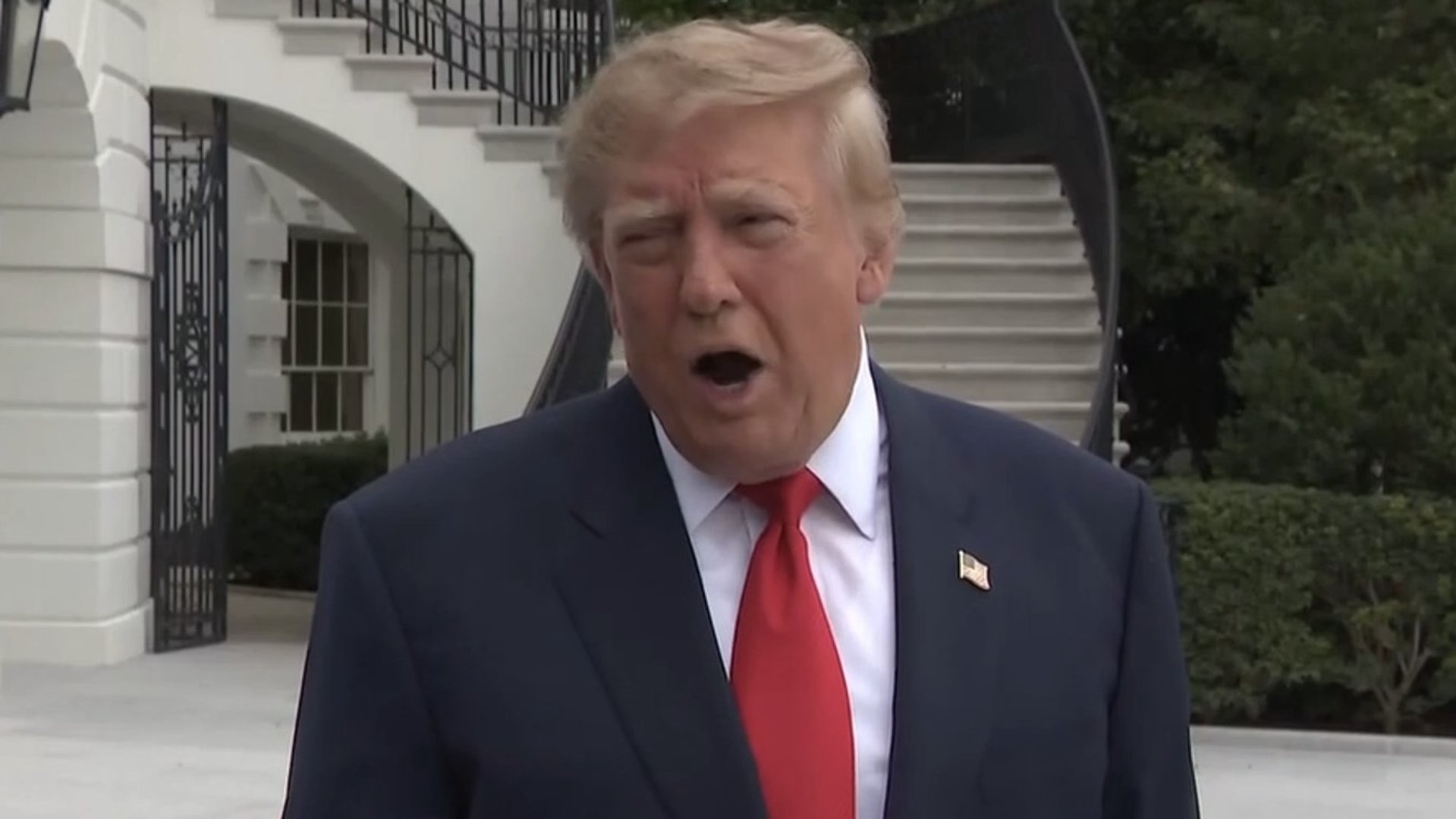
U.S. President Donald Trump has signed an executive order raising the tariffs on Canadian goods from 25 per cent to 35 per cent, and Alberta Premier Danielle Smith isn’t exactly pleased with the bargaining efforts of the federal government.
In a statement issued Friday, the day of the Trump-imposed negotiation deadline, Smith said she was disappointed a deal wasn’t reached on time.
“These tariffs hurt both Canadian and American businesses and workers, and they weaken one of the most important trade and security alliances in the world,” she said.
Smith highlighted her efforts to build a solid relationship with American media and legislators, some of which have prompted criticism.
“In recent months, I’ve met with dozens of governors, senators, members of Congress, and allies of the current administration,” she said. “I remain convinced that the path to a positive resolution with our U.S. partners lies in strong, consistent diplomacy and a commitment to working in good faith toward shared priorities.”
The Alberta premier reiterated her calls to scrap several federal laws that dictate things like oil and gas, pipelines, clean electricity regulations, electric vehicles, and more.
“The federal government must immediately repeal the Trudeau-era laws that restrict resource development and are holding our economy back, and diversify and grow our export markets,” Smith said. “This new Liberal government has yet to do so, and it is costing Canada tens of millions in lost economic activity every single day.”
Calgary Chamber of Commerce president Deborah Yedlin says the province is in a better position to weather the current tariff storm, but she says it’s still a tough situation.
She recommends both business owners and investors fight the urge to react because things could change again quickly.
“There could be an agreement that’s signed, things could shift very quickly,” she says. “The best things is to stay the course and don’t make any decisions that may feel good right now, but you could regret.”
Yedlin says many Calgary businesses are very dependent on U.S. exports and a lot of them, along with investors, have been sitting on the sidelines waiting to see how things shake out.
CUSMA compliant goods exempt
An official White House document claims Canada has “failed to cooperate in curbing the ongoing flood of fentanyl and other illicit drugs” into the U.S. and “President Trump has found it necessary to increase the tariff on Canada” in response.
U.S. government data shows a minuscule amount of fentanyl is seized at the border with Canada compared to Mexico.
The tariffs will not apply to goods under the Canada-United States-Mexico Agreement (CUSMA).
Canadian officials had been tempering expectations that a trade deal would materialize ahead of Trump’s deadline, and Prime Minister Mark Carney has said he’ll only make an agreement that is good for Canada.
Trump said earlier Thursday he had not “spoken to Canada” but did reference that “he’s called” — suggesting Carney may have reached out hours before the 35 per cent tariff was set to hit.
In a statement from Carney, released just after midnight, he said the government was disappointed by the actions, and said that “Canada accounts for only 1% of U.S. fentanyl imports and has been working intensively to further reduce these volumes.”
He added that some industries — including lumber, steel, aluminum and automobiles — will be harder hit, but that the government will try to minimize the impact and protect Canadian jobs.