Alberta invests $4M in pilot program to expand skilled trades training
Posted Jun 3, 2026 3:48 pm.
Last Updated Jun 3, 2026 5:11 pm.
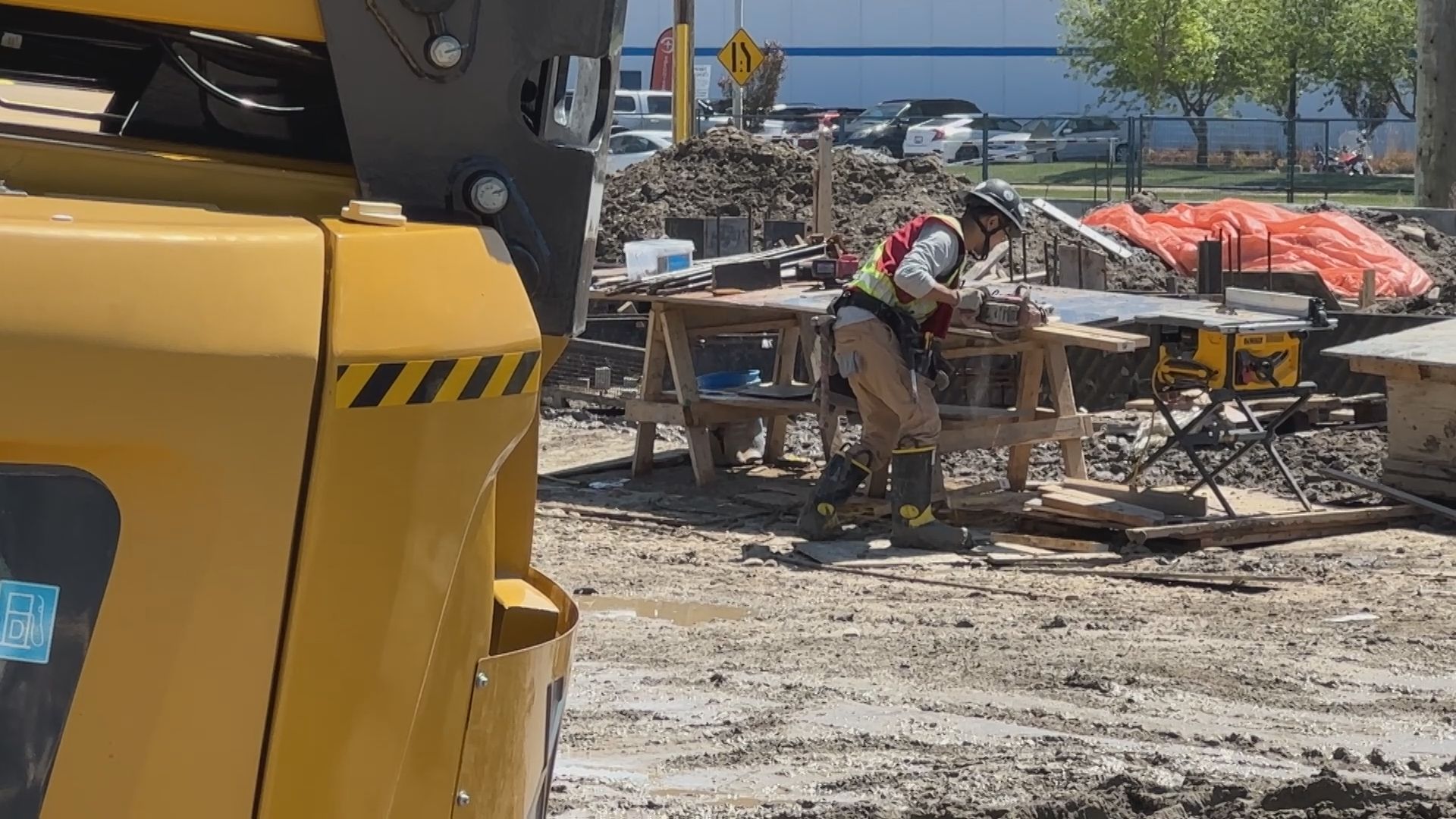
Alberta is launching a $4 million pilot program designed to help skilled trades workers earn certifications faster while remaining on the job.
The two‑year initiative, delivered in partnership with the Christian Labour Association of Canada (CLAC), was announced at the union’s Calgary office on Wednesday.
The program tailors training to each worker’s existing skills, aiming to speed up certification, ease labour pressures on major projects, and support workers preparing for current and future job‑site demands.
The province says the initiative will use an adaptive learning platform to help workers advance more efficiently through certification preparation under Alberta’s existing Trades Qualifier Program. About 200 workers are expected to participate.
Jobs Minister Joseph Schow said the pilot will support workers in critical trades, including welders, iron workers, steamfitter‑pipefitters and instrumentation technicians, by offering a more targeted path through required training.
Carpenter Trueman Hughes, who has worked in the trade for 13 years, said moving into a second trade can be difficult because workers must start at the lowest level again.
“You have to work in the trade and be indentured in order to do that schooling, he said. “If you want to be dual‑ticketed, you have to go down to the lowest level in a new trade.”
Other workers said the pilot could help them keep pace with evolving technology and job‑site challenges.
Amanda Barron said more training is essential as technology reshapes the trades.
“I think everybody should get more training and get at career advancements, and just learn more,” she says. “Technology is a big thing coming up, and we all need to stay on top of it.”
Hughes noted that physical demands and weather remain major challenges, even as AI becomes more common.
Participation is limited to workers eligible under Alberta’s Trades Qualifier Program. The pilot runs until March 2028, and the province says results could guide future training models.