Counter tariff cost to Canadians, Calgary prediction
Posted Aug 27, 2026 10:02 am.
Last Updated Aug 27, 2026 10:01 am.
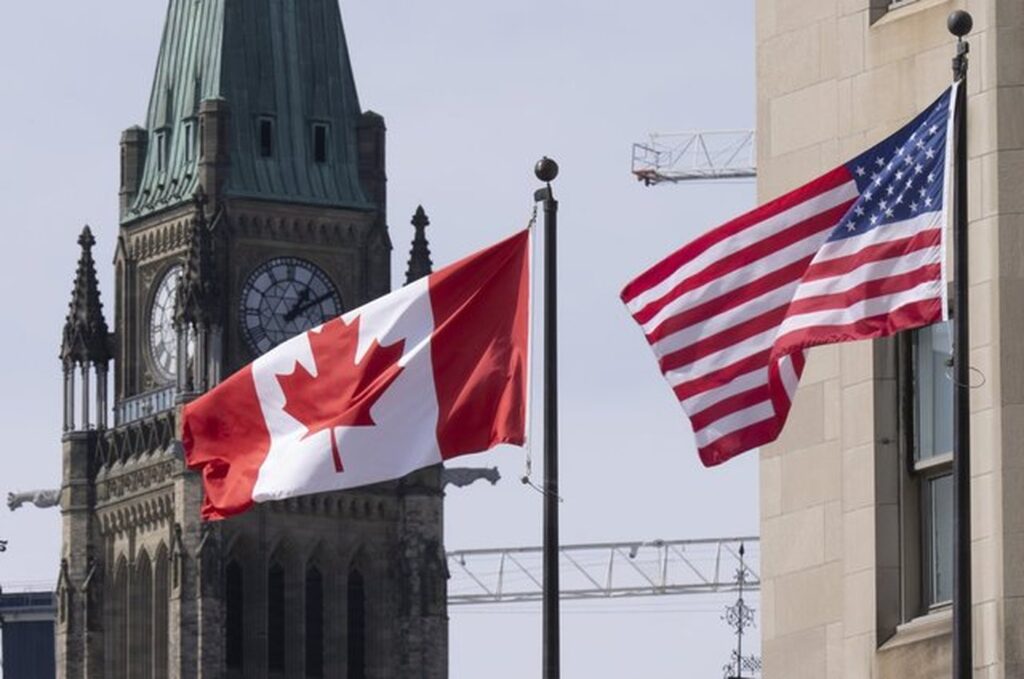
With tariffs on American imports set to take effect in September, some experts believe Canadian consumers will be on the hook for rising costs.
A local example of the potential impact may soon be seen at stores like Sale on Appliance in Calgary, which offers deals for open box appliances.
The operation’s owner says as a result of new tariffs, some of his bargains may soon evaporate.
“Four, five brands being hit by tariffs is what’s making this business pretty tricky these days,” Ritiz Dhanda tells CityNews.
Canada’s list of counter-tariffs that are set to be brought in on American goods after Labour Day include a 25 per cent levy on appliances.
Businesses like Sale on Appliances have already been navigating growth in transportation costs and shrinking margins, and they’ll be forced to pull back from the purchase of some brands.
Lower profit may force businesses to pass on costs onto consumers, according to Moshe Lander, Senior Lecturer in Economics at Concordia University.
“The tariffs are going to land on the Canadian consumer and this thought that somehow if you put a tariff on an American company, the American company is going to eat the cost. It is as foolish as Trump saying that he’s gonna put a tariff on Canada and the Canadian business can eat the cost, but the data has been suggesting so far is about 75 to 85% of the tariff is landing on the consumer of the importing country.”
Dhanda says he’s “planning right now just to buy the appliances that are not really affected or not really making a big difference in terms of margins.”
Experts say we’ll likely see price increases in October, with more hikes towards November and December. But the change shouldn’t be as severe immediately as it may sound.
“If the tariff goes up by 25 per cent as of Sept. 8, it doesn’t mean that the retail price will go up by the same amount because there are different parties in supply chain that can absorb some of those costs”, says Marco Bijvank, Operations and Supply Chain Management Professor at University of Calgary.
However, if the trade war persists, some businesses are warning the impact could go beyond price hikes.
“The manpower will go down, I won’t have the same amount of employees that I have right now. This is basically the hardest time I’m facing,” Dhanda says.